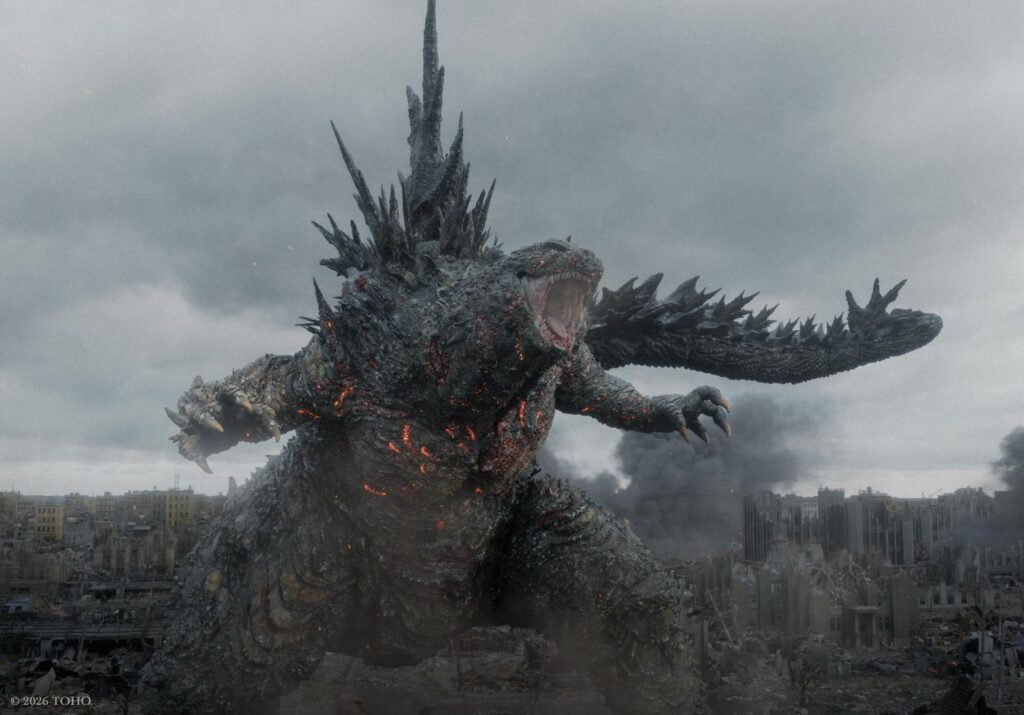
Globally, “Godzilla Minus One” surpassed $105 million USD, making it one of the highest-grossing Japanese-language live-action films of all time worldwide. Now the sequel is here! Our Richard gives his take on Toho’s “Godzilla Minus Zero.”
Godzilla Minus Zero (GKIDS / Toho Co., Ltd.)
- Directed by Takashi Yamazaki
- Written by Takashi Yamazaki
- Produced by Kazuaki Kishida, Gō Abe, Keiichirō Moriya
- Starring Ryunosuke Kamiki, Minami Hamabe, Min Tanaka, Hidetaka Yoshioka, Masami Nagasawa, Yuki Yamada, Kuranosuke Sasaki, Jun Kunimura, Sakura Ando, Miou Tanaka
About “Godzilla Minus Zero”:
War reduced Japan to zero, and Godzilla plunged it into minus. Two years have passed since then, and the country has faced agonizing struggles to achieve recovery and finally reclaim its daily life. Just as humanity managed to cling to a hard-won peace, a new threat strikes, crushing hope in an instant. There is no third time. Everything ends here.
Richard’s Take:
The sequel is finally here for Toho’s monster hit (pun intended), the Oscar-winning “Godzilla Minus One” (2023).
The latest film, “Godzilla Minus Zero,” is the 39th entry in the “Godzilla” franchise, the 34th film produced by the main Japanese studio, and the sixth installment in the Reiwa era. Set in 1949, two years after the events of “Godzilla Minus One,” the follow-up begins as Japan rebuilds following the death of Godzilla, until a new threat emerges: Ghidorah.
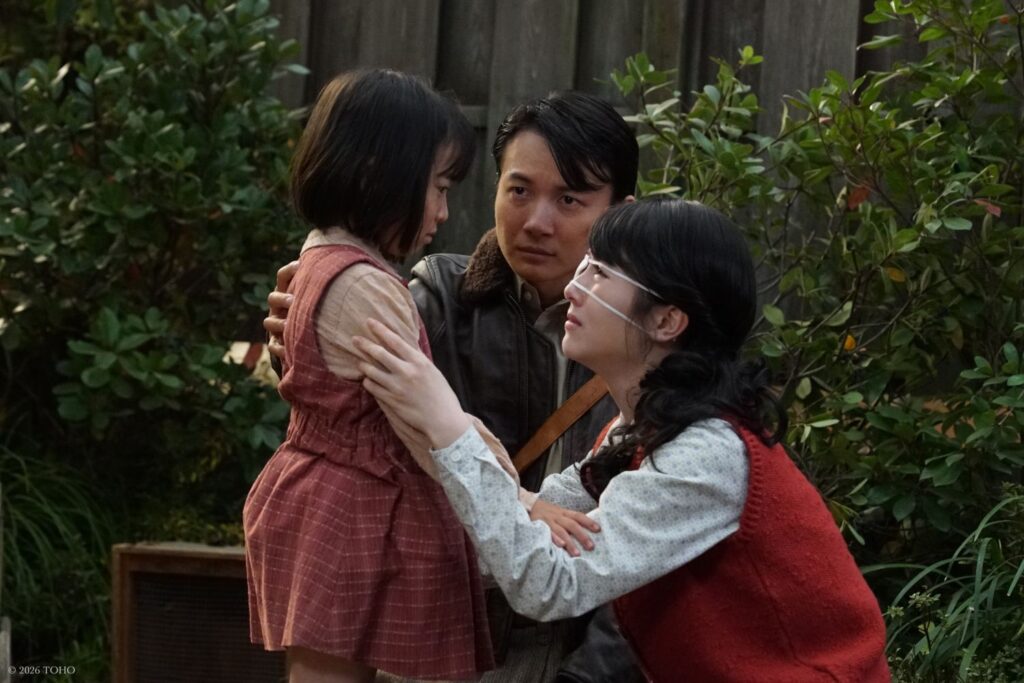
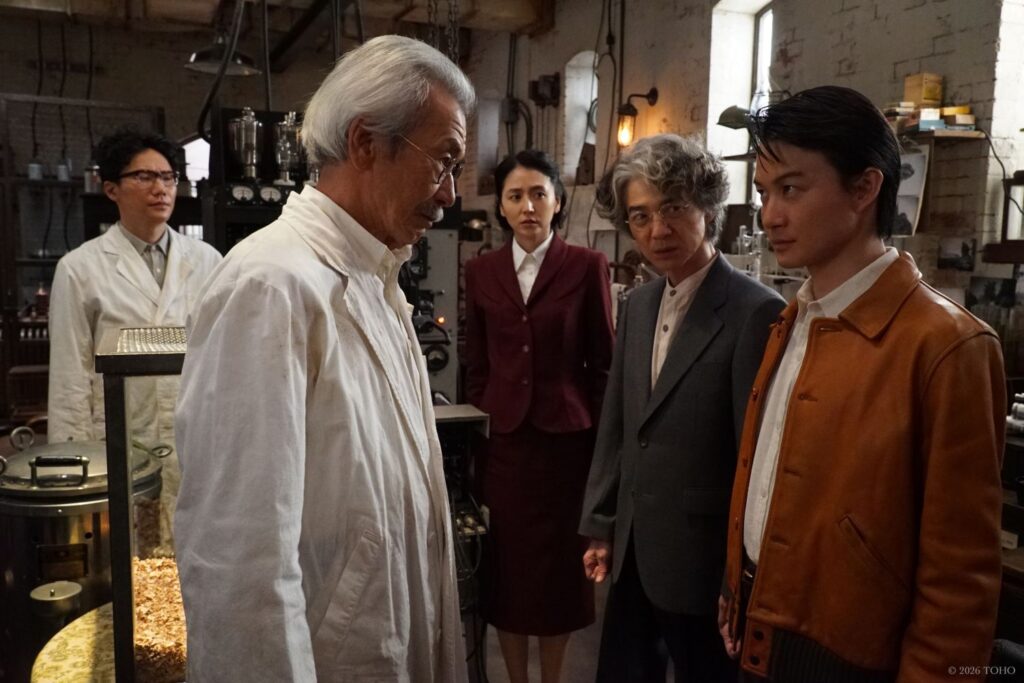
The film updates us on the whereabouts of former kamikaze pilot Kōichi Shikishima (played by Ryunosuke Kamiki); his partner Noriko Ōishi (Minami Hamabe), who survived the Ginza blast in the previous film and is now infected with Godzilla’s regenerative “G-cells”; and little Akiko (Sae Nagatani), the adopted daughter they are raising together. Dr. Kenji Noda (Hidetaka Yoshioka), the engineer and scientist who helped orchestrate the anti-Godzilla plan in the previous movie, now heads the newly formed Large-Scale Disaster Response Division. After discovering Ghidorah, Dr. Noda assembles a team of scientists, meteorologists, and pilots, including a reluctant Kōichi, to help stop the kaiju threat.
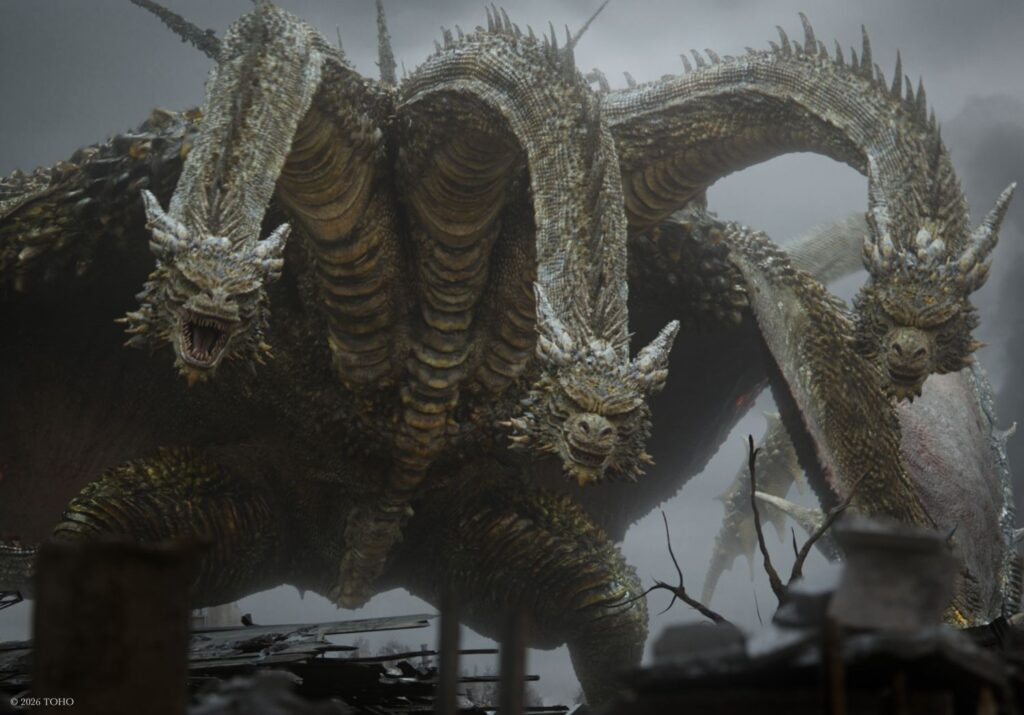
When the team attempts to eliminate the single-headed Ghidorah using military lightning strikes, their efforts backfire: the intense energy surge triggers a rapid mutation, causing Ghidorah’s body to split and sprout two additional heads, and then fully evolving it into a three-headed dragon. As the team tries to contain this newest monster threat, another unexpected creature returns: Godzilla, who survived because his cellular tissue healed his body. With both King Ghidorah and Godzilla roaming Japanese territory and destroying everything in their paths, the human survivors, with the help of Noriko’s regenerative “G-cells,” have to find a way to bring these two titans together in the same location for a massive battle royale.
As with the first film, the drama of the characters — and Japan itself — takes center stage in the sequel. The core of the human struggle against the kaiju threats highlights unresolved trauma, survivor’s guilt, and the despair of postwar Japan, carrying over not just from Godzilla’s destruction in the first “Minus” feature, but from the aftermath of the 1945 atomic bombing of Hiroshima. In a way, Godzilla takes a back seat in the narrative, with everyone’s favorite kaiju appearing strategically in key scenes.
Just like in the 2023 film, the special effects are absolutely top-tier, and Toho gave this sequel a bit more room to breathe with an estimated $15 to $20 million budget (compared to under $15 million for “Minus One”). Godzilla and King Ghidorah have seriously never looked better. It is crazy that a Japanese production can deliver Hollywood-grade visuals at a tiny fraction of the cost, but that’s the magic of director Takashi Yamazaki leading his own hands-on VFX crew at Shirogumi. Where the American “Godzilla” and “Kong” movies from Legendary’s MonsterVerse tend to feel like flashy, weightless wrestling matches, this fight is flat-out breathtaking. For instance, watching Ghidorah use all three heads at once to viciously tear into Godzilla feels genuinely terrifying. In another standout moment, Kōichi’s high-stakes flight against Ghidorah gives the dogfights in “Top Gun: Maverick” a serious run for their money.
The sequel brings back the core ensemble cast from “Godzilla Minus One.” Along with Kamiki as Kōichi, Hamabe as Noriko, Nagatani as Akiko (the young actress does an incredible job in her emotional scenes), and Yoshioka as Dr. Kenji Noda, Sakura Ando returns as Sumiko Ōta, the neighbor from the local community. Also returning are Kuranosuke Sasaki as Yōji Akitsu, the former mine-sweeping ship captain; Miou Tanaka as Tatsuo Hotta, the former captain of the destroyer “Yukikaze”; and Yuki Yamada as Shirô Mizushima, the young crewman aboard the “Shinsei Maru” who helped Kōichi and the team lay mines in “Godzilla Minus One.”
Newcomers to the ensemble include Kanji Murakami (played by Min Tanaka), a troubled biologist and Hiroshima bombing survivor who has a dark fascination with radiation and kaiju biology; Makoto Aoyama (Masami Nagasawa), a meteorological specialist; and Dr. Ogata (Jun Kunimura), a medical clinical researcher who assists Dr. Noda and government teams in evaluating the biological and medical aftermath of the massive creature attacks.
What truly sets the “Minus” films apart from earlier Toho “Godzilla” entries and American blockbusters is the focus on human characters and their perspectives. Even though the film is presented in Japanese with English subtitles, you can deeply feel the raw emotion and struggle of every character.
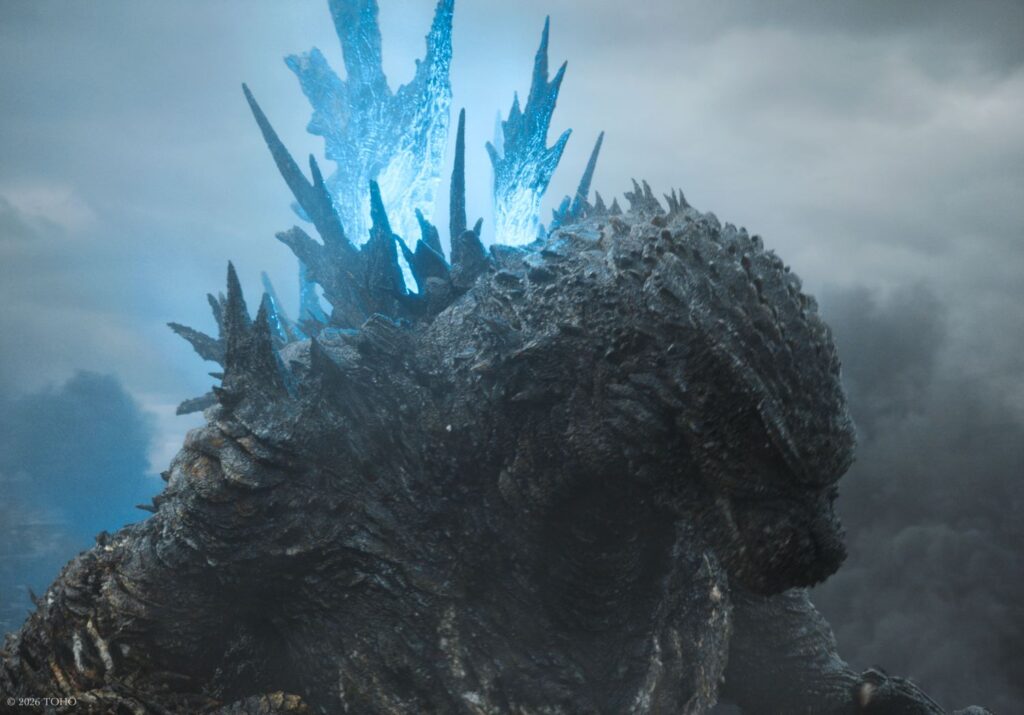
“Godzilla Minus Zero” is also historic for Japanese cinema as the first Japanese production filmed natively for IMAX, with camera setups and VFX composition specifically designed to maximize image depth, vertical scale, and detail on massive premium screens.
I thoroughly enjoyed “Godzilla Minus Zero” and remain amazed by what Japanese filmmakers can accomplish with a modest visual-effects budget paired with exceptional dramatic storytelling. Core Toho fans will find this sequel and its predecessor to be among the very best entries in modern monster cinema, while American audiences should absolutely give this film the chance it deserves.
Although “Godzilla Minus Zero” was initially discussed as the potential finale to this specific storyline, the final scenes suggest otherwise. Toho has created something genuinely special with this latest era of the franchise, and fans, including me, will undoubtedly be clamoring for the story to continue. Please, Toho, give us more.
Official Site: Godzilla Minus Zero